

Dark Green Patches In Lawn? (Here’s Why)
It’s happened to most of us at some point: you’re admiring your lawn, and out of nowhere, you spot those odd, dark green patches.
Maybe they’re even too green. They stand out like sore thumbs and kind of mess up the vibe. If you’re wondering where these weird dark green spots came from, you’re not alone!
It’s not unusual. Those spots are basically areas of grass growing faster or healthier than the rest.
But the reason behind it can tell you a lot about what’s happening under the surface.
In this post, we’ll explain why there’s dark green spots on your lawn and how to fix it.
#1 Pet Urine Spots
Pet urine is the most common reason for dark patches in your lawn.
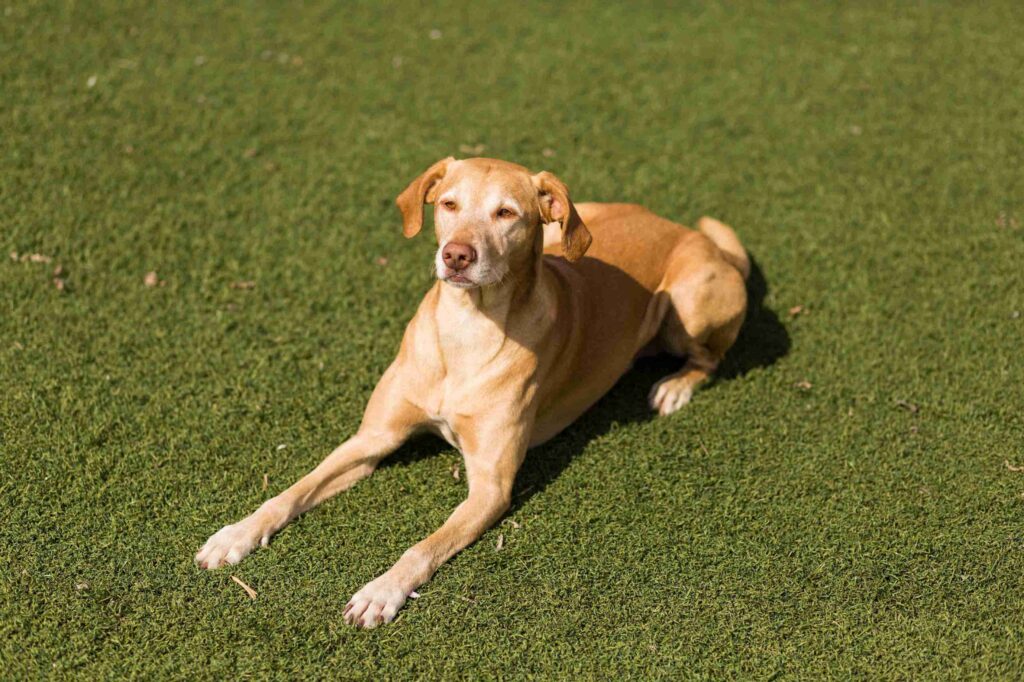
Dogs love marking their territory, and that can leave behind dark green spots in the lawn.
Now, it might sound a bit counterintuitive since we’re used to hearing that pet urine kills grass, but it’s actually a bit of a mix.
The urine contains a ton of nitrogen, which, in small doses, is great for grass. But in concentrated amounts (like in one spot where your dog keeps going), it can cause a patch to turn an unnatural, deep green.
Why does this happen? Well, the nitrogen from the urine acts as a fertilizer.
When it’s spread out, grass absorbs it and grows lush and green. But in concentrated spots, it’s like giving the grass a little too much love, and it reacts by turning dark green.
Sometimes, it even makes the grass grow faster, so you’ll notice that spot looks different in texture too.
Also Read: Glyphosate Vs Diquat
Solution
The easiest fix is to dilute the urine right after your dog goes. A quick rinse with a hose helps spread the nitrogen out so it doesn’t overload the soil. You can also try encouraging your dog to use a certain section of the yard, maybe with mulch or gravel.
Some people even train their pets to go on a specific patch to protect the rest of the lawn.
If you already have the dark spots, don’t stress. They’ll usually even out once you start watering more consistently.
#2 Overfertilization
If your lawn looks patchy with dark green areas right after fertilizing, that’s probably not your imagination, it’s an uneven fertilizer application.
The darker patches are spots that got a heavier dose of nitrogen.
The rest of the lawn didn’t get as much, so it looks lighter in comparison.
Sometimes this happens if you’re using a broadcast spreader and overlap too much in one area. Or maybe you spilled some fertilizer while refilling the spreader. It can also happen if you’re applying fertilizer by hand and accidentally dump extra in one spot.
Solution
To fix this, water the area thoroughly to help flush the excess fertilizer deeper into the soil and spread the nutrients more evenly.
In the future, use a drop spreader if you’re working with a small yard since it’s easier to control. And always sweep any fertilizer off sidewalks or driveways before watering, or it’ll wash into certain spots and make the problem worse.
A little patience goes a long way here.
Once the rest of the lawn catches up, those dark patches fade back into the mix.
Also Read: Too Much Iron In Lawn
#3 Fungal Growth
Dark green patches in your lawn can also mean fungus.
Yep, some lawn fungi can make the grass grow faster and darker before things start to die off.
A common one is fairy ring fungus, which can form circular or crescent-shaped dark green rings. They look kind of cool at first but can turn into dead patches if left alone.
What happens is the fungus breaks down organic matter in the soil, releasing nitrogen. The grass around that area gets an extra shot of nutrients, so it turns darker green.
Then the center of the ring starts running out of nutrients and moisture, leaving a dead or thin patch.
If you notice rings or patches spreading, that’s your sign it might be fungal.
Solution
Aerate the soil to help air and water move through more easily, and try to avoid overwatering. Fungi love damp, compacted soil.
If it’s really bad, you can use a fungicide, but in many cases, improving your lawn’s drainage and airflow helps a ton.

Also, be careful with thatch buildup.
Thatch holds moisture and creates the perfect breeding ground for fungus. Dethatching once or twice a year can help prevent that problem before it starts.
Also Read: What Sand To Use To Level Lawn
#4 Spilled Lawn Products
This one’s a bit of a no-brainer but still worth mentioning.
If you’ve recently spilled some lawn care products like weed killer, pesticide, or even extra fertilizer on your grass, it can result in dark green spots.
These products contain high amounts of nitrogen, iron or other chemicals that can cause the grass in that area to go into overdrive, turning a deep, unnatural green. Iron, especially, gives grass a deep green or even bluish-green color when overapplied.
Sometimes, even just over-application of products can leave you with dark spots in lawns.
Solution
This one’s usually an easy fix. Just water the area heavily to dilute whatever got spilled and prevent it from burning the grass.
Going forward, always double-check your spreader settings and fill it up over a driveway or bare area, not on your lawn. That way, if anything spills, you’re not feeding one lucky patch of grass while the rest looks jealous.
If you’ve used iron supplements, don’t panic when you see a color difference, it’s harmless and temporary. It’ll fade once the rest of the lawn gets back on the same nutrient level.
#5 Differences In Soil Or Drainage
Sometimes, it’s not about pets or products at all.
Dark green patches can simply come from natural variations in your yard’s soil or drainage.
Areas with richer soil, more organic matter, or better moisture retention tend to grow greener, thicker grass.
You might also notice darker patches where shade hits during the hottest part of the day. Cooler soil keeps moisture longer, helping the grass stay lush.
On the other hand spots that get full sun all day might look lighter or even stressed.
These differences are totally normal, especially in older lawns.
Solution
If you want to even things out, test your soil in a few spots. Adding compost or topdressing with organic matter can help balance nutrient levels and moisture across the yard.
Consistent watering also helps keep everything looking uniform.
Bottom Line
Dark green spots on your lawn might look strange, but they’re actually a pretty helpful clue that your lawn’s getting uneven care, or just reacting to little things like dog visits or a fertilizer oops.
Once you know what’s behind it, it’s easy to fix and prevent in the future.
Keep watering evenly, aerate once in a while, and feed your lawn carefully. If the issue’s pet-related, pick one spot for your dog to use or give the area a quick rinse.
Over time, everything balances out, and your yard will look more consistent and healthy overall.
A few color variations are totally normal, though. Lawns are living things, and no yard is a perfect shade of green everywhere.


