Neem oil always sounds like one of those things that works great in theory but feels a little risky once you’re standing over your lawn with a sprayer.
You want fewer bugs, healthier grass, and fewer chemicals floating around your yard, but you also don’t want to accidentally turn your lawn into a science experiment.
That’s usually where the questions start.
The good news is neem oil isn’t some mysterious or extreme option. It’s been used for years in gardens, and when it’s handled the right way, it can fit into lawn care too.
In this post, we’ll show you how to use neem oil on your lawn like a PRO.
Table of Contents
Can You Use Neem Oil On Lawn?
Yes, neem oil can be used on lawns, and plenty of people do.
It’s not some weird hack or fringe trick. That said, it’s not a miracle product either, and going in with realistic expectations makes all the difference.
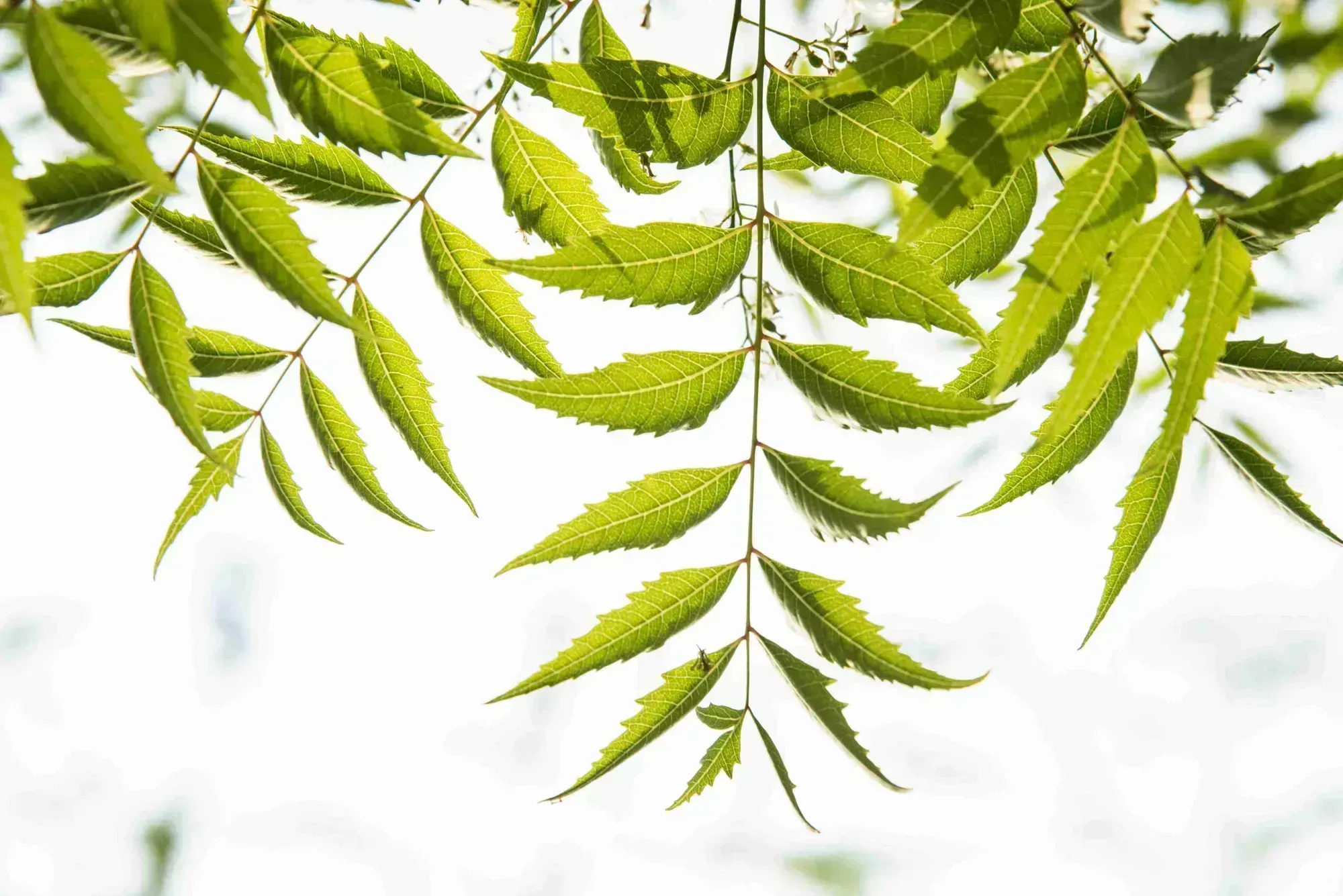
Neem oil comes from the neem tree and works in a very different way compared to traditional pesticides.
Instead of instantly wiping out everything in sight, it messes with insects’ feeding and growth patterns. Bugs stop eating, stop reproducing, and eventually move on or die off. It’s slower, gentler, and more of a long-game solution.
Plus, the grass itself usually handles neem oil just fine when it’s diluted correctly and applied at the right time.
Problems tend to pop up only when people use too much, spray during peak heat, or assume more product equals faster results. Lawns don’t respond well to that kind of enthusiasm.
If your goal is steady improvement rather than overnight perfection, neem oil fits nicely into a low-stress lawn routine.

Also Read: Can You Put Down Too Much Grass Seed?
What Lawn Problems Neem Oil Can Help With
Neem oil shines most when you’re dealing with active but manageable lawn issues. It’s especially popular for pest problems that haven’t reached total chaos yet.
Here are some common things people use neem oil for on lawns:
- Grubs and soil-dwelling insects that chew on roots
- Chinch bugs, aphids, and mites hanging out on grass blades
- Caterpillars and beetle larvae that slowly thin out turf
- Mild fungal issues that show up as discoloration or patchiness
It’s not the best option for severe infestations where half the lawn is already gone.
In those situations, neem oil can still help as part of recovery, but it won’t magically bring everything back on its own.
How To Use Neem Oil On Lawns
Neem oil isn’t difficult to use, but it does reward patience and a light touch. Rushing through it or eyeballing measurements tends to lead to frustration.
Here’s how to use neem oil on your lawn:
#1 Start By Mixing It Properly
Neem oil is concentrated, so dilution matters a lot.
For lawn use, most people mix about 1 to 2 tablespoons of cold-pressed neem oil per gallon of water. Adding a few drops of plain liquid dish soap helps the oil blend evenly instead of floating around on top like salad dressing.
Also Read: Good Reel Mowers For Bermuda Grass
Shake or stir the mixture well before pouring it into your sprayer, and give it another shake occasionally while spraying. Neem oil likes to separate, especially on warm days.
Skipping proper mixing is one of the fastest ways to damage grass, so this step deserves your attention.
#2 Pick The Right Time
Timing can make or break your results.
Neem oil works best when the lawn isn’t under heat stress, and when sunlight isn’t blasting directly onto wet grass.
Early morning or late evening is ideal. The temperatures are lower, evaporation slows down, and beneficial insects are less active.
Midday spraying under full sun can cause leaf burn, especially during summer, and that defeats the whole purpose.
Weather matters too. If rain is expected within the next day, hold off.
Neem oil needs time to settle and do its thing.
#3 Test A Small Area First
Even though neem oil is generally safe for grass, every lawn has its own personality.
Different grass types, soil conditions, and watering habits can affect how it reacts.
Spray a small, low-visibility area and wait about 24 hours. If the grass looks normal, you’re good to go. If it looks stressed or discolored, tweak the dilution before treating the whole lawn.
This little test saves a lot of regret later.
#4 Spray Evenly, Not Heavily
When applying neem oil, think “light and even,” not “drench it until it drips.”
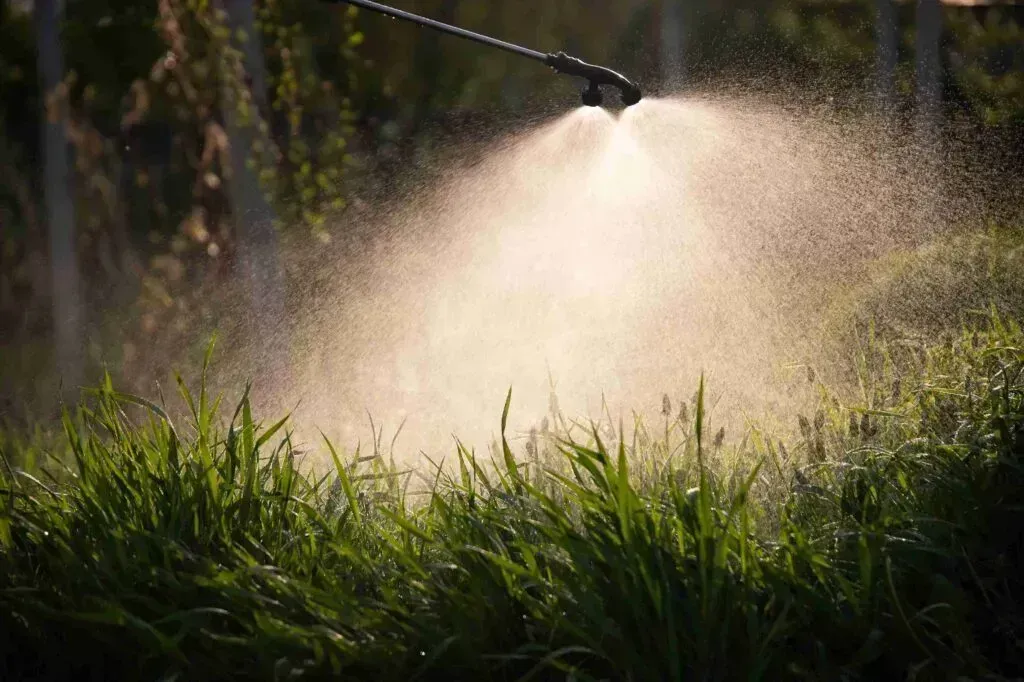
Use a pump sprayer or hose-end sprayer and aim for consistent coverage across the grass blades and soil surface.
You’re not trying to flood the lawn. You just want enough coverage so insects come into contact with it or ingest it while feeding. Overapplying won’t speed things up. It usually just stresses the grass and wastes product.
Slow, steady passes work better than rushing through the job.
Also Read: Too Much Iron In Lawn
#5 Focus On Problem Spots
If certain areas of your lawn are clearly struggling, give them a bit more attention. Places with visible pest activity, thinning patches, or discoloration benefit from targeted spraying.
That said, avoid soaking those areas repeatedly in one session. Just be a little more thorough, not aggressive.
Neem oil does its work over time, not in a single afternoon.
#6 Repeat As Needed
Neem oil isn’t a one-and-done solution. Most lawn issues require repeat applications every 7 to 14 days during active pest seasons.
Consistency is where results really start to show.
After a couple of treatments, you’ll usually notice fewer insects, less new damage, and grass that looks calmer overall. It’s subtle, but it adds up.
If things improve, you can back off and use neem oil more as preventative maintenance rather than constant treatment.
Bottom Line
Yes, you can use neem oil on lawns, and for many people, it’s a solid, low-stress option. It won’t give instant, dramatic results, but it plays the long game well.
When mixed properly, applied at the right time, and used consistently, neem oil helps keep pests in check without beating up your grass.
It’s best suited for homeowners who want a gentler approach and don’t mind waiting a bit for progress. If you’re expecting overnight transformation, you’ll probably be disappointed.
If you’re aiming for steady improvement and healthier turf over time, neem oil fits right in.
FAQs
Is Neem Oil Safe For Grass?
Yes, neem oil is safe for grass when it’s diluted correctly and applied at the right time. Problems usually come from using too much, spraying during hot midday sun, or skipping a test patch.
If it’s used properly, it won’t harm healthy turf.
How Often Should You Use Neem Oil On Grass?
Most lawns do well with applications every 7 to 14 days during active pest periods.
Neem oil works gradually, so consistent use matters more than heavy spraying. Once things calm down, you can scale back to occasional maintenance treatments.
Can I Spray Neem Oil On Lawn For Whiteflies?
Yes, neem oil can help control whiteflies on lawns, especially if they’re active on grass blades or nearby plants. It interferes with feeding and reproduction, so repeat applications are important for noticeable results.