Lawn aeration gets talked about a lot, usually as this magical fix for tired, sad-looking grass.
Punch some holes, let the roots breathe, and boom: perfect lawn, right?
Not quite. Aeration can be great, but it’s also one of those things that people tend to overdo once they hear it’s “good for the lawn.”
If you’ve ever stood in your yard wondering if you should aerate again this year, or if you’re about to mess something up by doing too much, you’re in the right place.
In this post, we’ll explain if you can over aerate your lawn.
Table of Contents
Table of Contents
Can You Over Aerate Your Lawn?
Yes, you absolutely can over aerate your lawn.
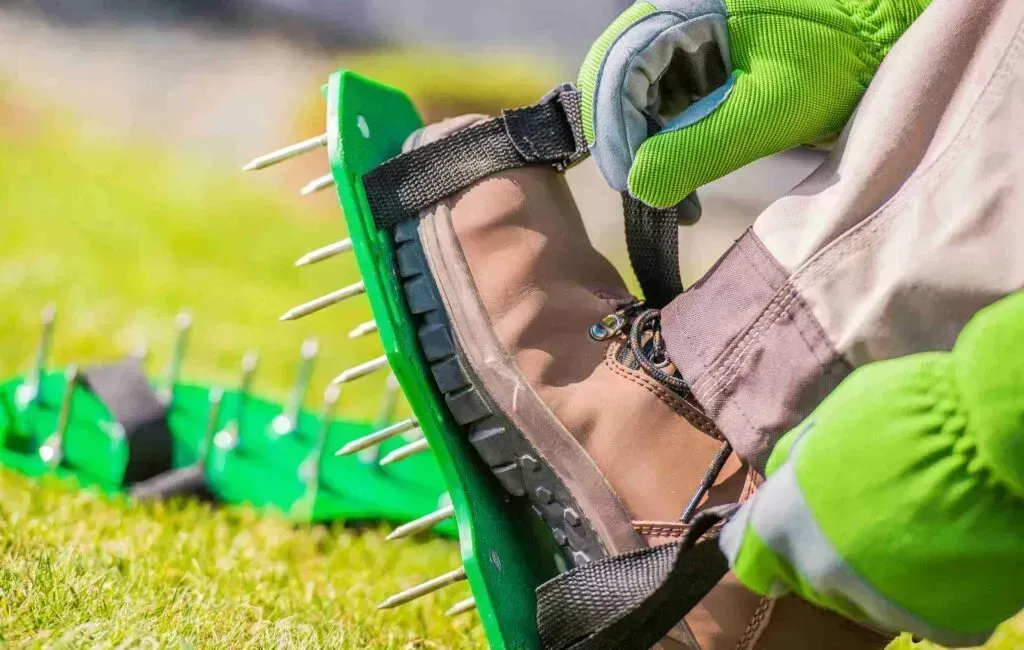
Aeration is meant to fix compacted soil. Once that problem is handled, continuing to poke holes just for the sake of it stops helping and starts causing stress.
Grass needs time to recover after aeration. Roots get disturbed, soil structure shifts, and the lawn relies on healthy growth to bounce back. If aeration keeps happening before that recovery window closes, the grass never fully stabilizes.
Instead of getting stronger, it slowly weakens.
This is why more aeration doesn’t automatically equal a better lawn. Past a certain point, you’re fixing a problem that no longer exists.
Also Read: Can You Put Down Too Much Grass Seed?
What Happens If You Over Aerate Your Lawn?
Over-aeration doesn’t usually kill a lawn overnight. It’s sneakier than that. The issues tend to build over time, which is why people don’t always connect the dots right away.
Here’s what happens:
#1 Damages Roots And Weakens The Grass
Grass roots like consistency. They grow down into the soil, anchor themselves, and slowly expand. Aeration disrupts that process, which is fine when compaction is blocking growth. It’s not fine when it happens too often.
Repeated aeration can tear or disturb developing roots before they’ve had a chance to strengthen. Instead of growing deeper and thicker, the root system stays shallow and fragile.
Above ground, this shows up as grass that looks okay one week and stressed the next, especially during heat or dry spells.
Strong lawns start below the surface.
Too much disruption down there makes it harder for the grass to stay resilient.
#2 Increases Weed Growth
This one surprises a lot of people.
Aeration opens up the soil. That’s great for grass roots, but weeds love those openings too.
When aeration happens too often, you create fresh, exposed spots that are perfect for weed seeds to land, settle in, and grow.
Over time, the lawn can shift from thick, healthy turf to a mix of grass and weeds competing for space. You might notice more crabgrass, dandelions, or random broadleaf weeds popping up right after aeration.
A thick lawn naturally crowds weeds out. Over-aeration can thin it just enough to give weeds an edge.
Also Read: Can You Use Neem Oil On Lawns?
#3 Dries The Soil Out Faster
Those holes left behind after aeration don’t just let air in. They also let moisture escape.
If aeration happens too frequently, especially during warm or dry periods, the soil can lose moisture faster than the grass can absorb it.
This puts extra stress on the lawn and increases how often you need to water just to keep things stable.
You might notice the lawn looking dry sooner after watering or rain, even though nothing else has changed. That’s a sign the soil structure is being disturbed more than necessary.
#4 Slows Recovery And Creates Thin Patches
Every aeration session creates a recovery period. Grass fills in, roots reestablish, and soil settles back into place.
When aeration is repeated before that recovery finishes, the lawn never fully closes the gaps.
This often shows up as thin areas that don’t seem to improve, no matter how much you water or fertilize. The grass looks patchy, uneven, and a little tired overall.
Ironically, many people respond by aerating again, which just continues the cycle.
How Often Should You Aerate Your Lawn?
For most home lawns, aeration is not an annual requirement.
Heavily compacted soil or high foot traffic lawns might benefit from aeration once a year, but that’s the exception, not the rule.
Average residential lawns usually only need it every two to three years.
Some lawns with sandy soil and low traffic rarely need it at all.
The important thing to remember is that aeration solves a specific problem. It’s not general maintenance like mowing or watering. If compaction is no longer an issue, aeration becomes optional, not necessary.
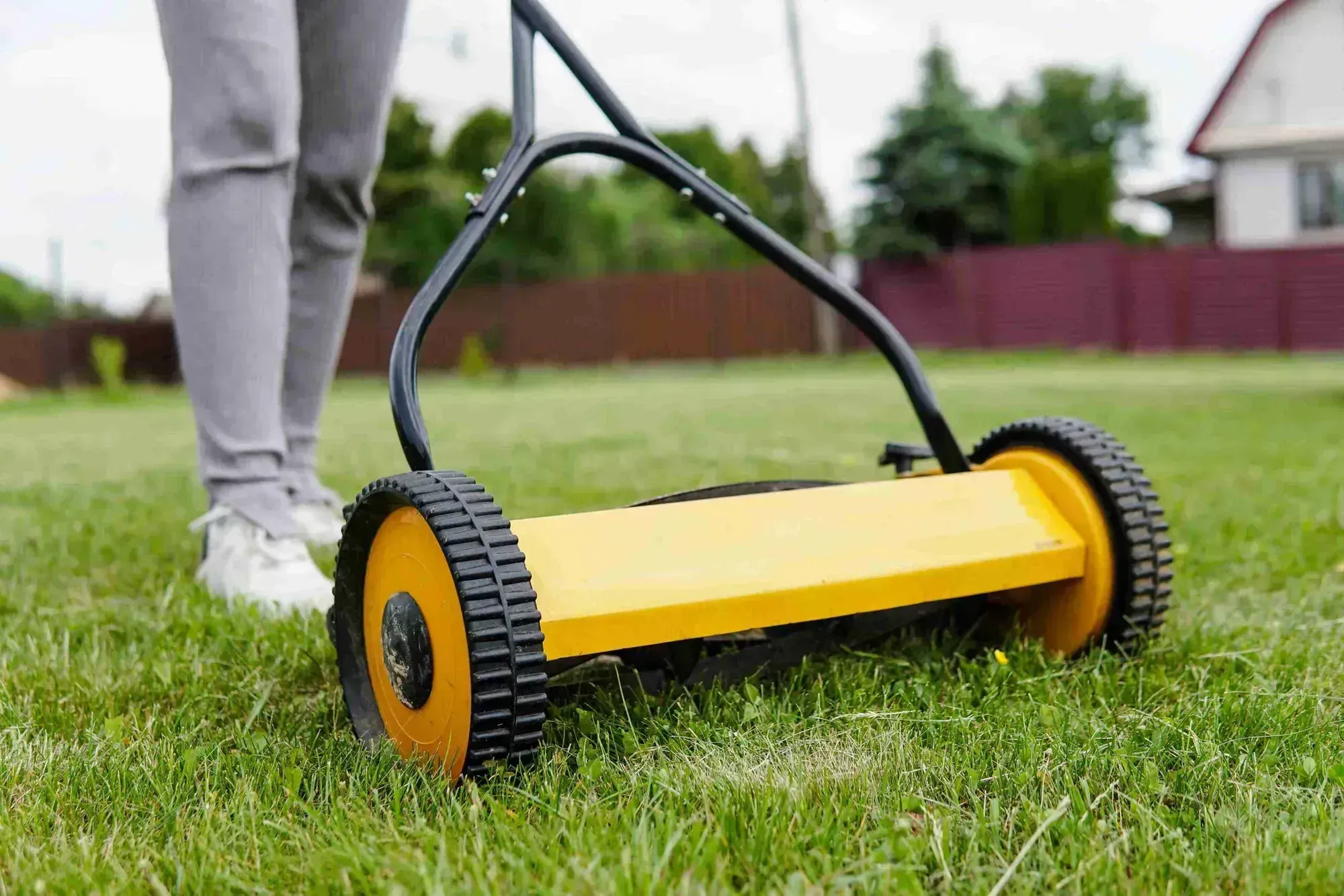
Also Read: 7 Great Reel Mowers For Bermuda Grass
Signs Your Lawn Does Not Need Aeration
A healthy lawn gives you clues when it’s doing just fine on its own. If your lawn is already doing well below the surface, aeration can actually do more harm than good.
Look for these signs before breaking out the aerator:
- Water soaks into the soil within a few minutes instead of pooling
- Soil feels loose or crumbly instead of hard and compacted
- Grass grows evenly with no widespread thin areas
- Roots feel anchored and don’t lift easily when tugged
- The lawn feels springy underfoot instead of stiff
When you see most of these, your soil is likely in good shape and aeration can wait.
Letting the lawn be can actually produce better results.
Best Time Of Year To Aerate Your Lawn
The best time to aerate your lawn is during its active growing season, when the grass can recover quickly and fill in the holes without stress.
Cool-season grasses respond best in early fall or early spring, when temperatures are mild and growth is steady. Warm-season grasses recover faster in late spring to early summer, right as they start growing aggressively.
Aerating outside these windows slows recovery and increases the chance of thinning, especially if the lawn is already under pressure from heat or dryness.
Timing aeration correctly helps you get the benefits without pushing the grass too far.
Bottom Line
Yes, you can over aerate your lawn, and it happens more often than people realize.
Aeration is a helpful tool for compacted soil, but it’s not something your lawn needs on repeat. Too much aeration can weaken roots, invite weeds, dry out the soil, and leave you with thin, patchy grass that never quite recovers.
If your lawn drains well, feels springy underfoot, and looks healthy overall, skipping aeration is usually the smarter move.
Sometimes the best thing you can do for your grass is give it a little space and let it do its thing.